Planted area vs harvested area: what the gap means for a production call
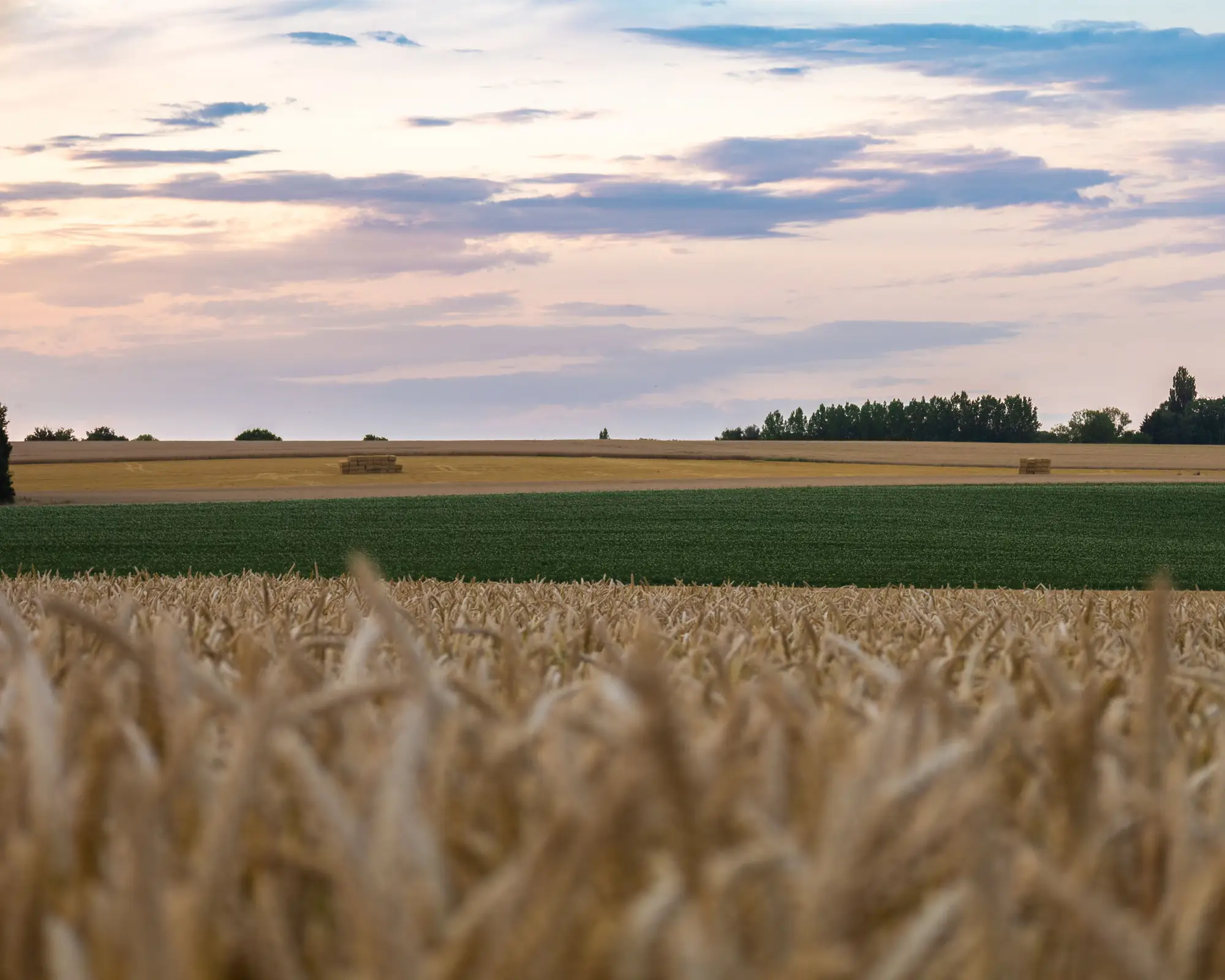
Every production estimate starts with an acreage figure, and there are two of them floating around a desk in any given crop year: planted area and harvested area. They are not interchangeable, and treating them as the same number in September is how a production call drifts away from what the harvest report eventually shows.
Planted area is what went into the ground in May and June. Harvested area is what actually comes off at the combine in the fall. The space between the two is abandonment, and in a rough crop year that gap can run wide enough to move a regional estimate by a meaningful margin before a single truck hits the scale house.
Where the gap comes from
Abandonment covers a few different things. Drowned-out bottomland that never got replanted after a wet spring. A drought-stressed dryland field that gets hayed or grazed instead of combined because the economics don't pencil at that yield. Hail damage severe enough that a grower takes the insurance payout and disks the field under. Late-planted acres that never reach maturity before a killing frost.
None of that shows up in the planted-area figure a state ag office or USDA published back in June. That number gets set early in the season and doesn't move much until acreage reports catch up, which is usually well after a desk has already had to make a call on basis.
Why the gap moves the production number
The simple version of a production estimate is acres times yield. The question is which acres. Run a per-acre yield against planted area and the math assumes every acre that went in comes out as grain at the elevator. In a normal season abandonment runs low enough that the error barely registers. In a drought year, a flood year, or a season with a brutal planting window, it isn't small. A desk working off planted-area math alone is sitting on a production number that's too high, sometimes by a wide margin, until harvested-area data finally gets revised down.
That's the part of a regional estimate that has to get sorted out weeks before combines roll, not months after.
Reading abandonment before the reports catch up
Official harvested-area revisions lag the crop. They post after harvest is already underway, often after a desk has positioned around a production number and a basis call. What moves earlier is the vegetation signal itself: fields that never green up to a normal canopy, fields that peak and brown down ahead of schedule, fields where the season's index curve just stops tracking like ground headed to a full harvest.
Watching that curve region by region, against what a normal season's curve looks like on the same ground, is a way to flag likely abandonment before an acreage report confirms it. It helps a desk stop getting blindsided by a revision that, in hindsight, had been showing up in the field for weeks.
That's close to what a weekly regional print is built to do: track the index curve against history, region by region, so a drop-off that points to abandonment rather than just a soft yield shows up in the trend line early. If you want to see how that tracking gets built into an actual production call, a weekly print built on that same index-curve comparison walks through the mechanics.
Putting it into the production call
A reasonable production estimate for a stressed crop year starts with planted area, then asks what share of it realistically gets combined. That answer comes from grower calls, from what the local elevator is hearing, and increasingly from watching where the season's index curve has stopped tracking a normal path toward harvest, peaking early or flattening out instead of filling through the back half of the season. None of those sources settles it alone. Together they close the distance between a planted-area number that looked fine in June and the harvested-area number that tells the real story in October.
If the gap in your region looks wider than the planted-area number suggests, that's worth checking against the weekly print before it shows up as a surprise in the acreage report.