What is basis, and why does it move before the production call?
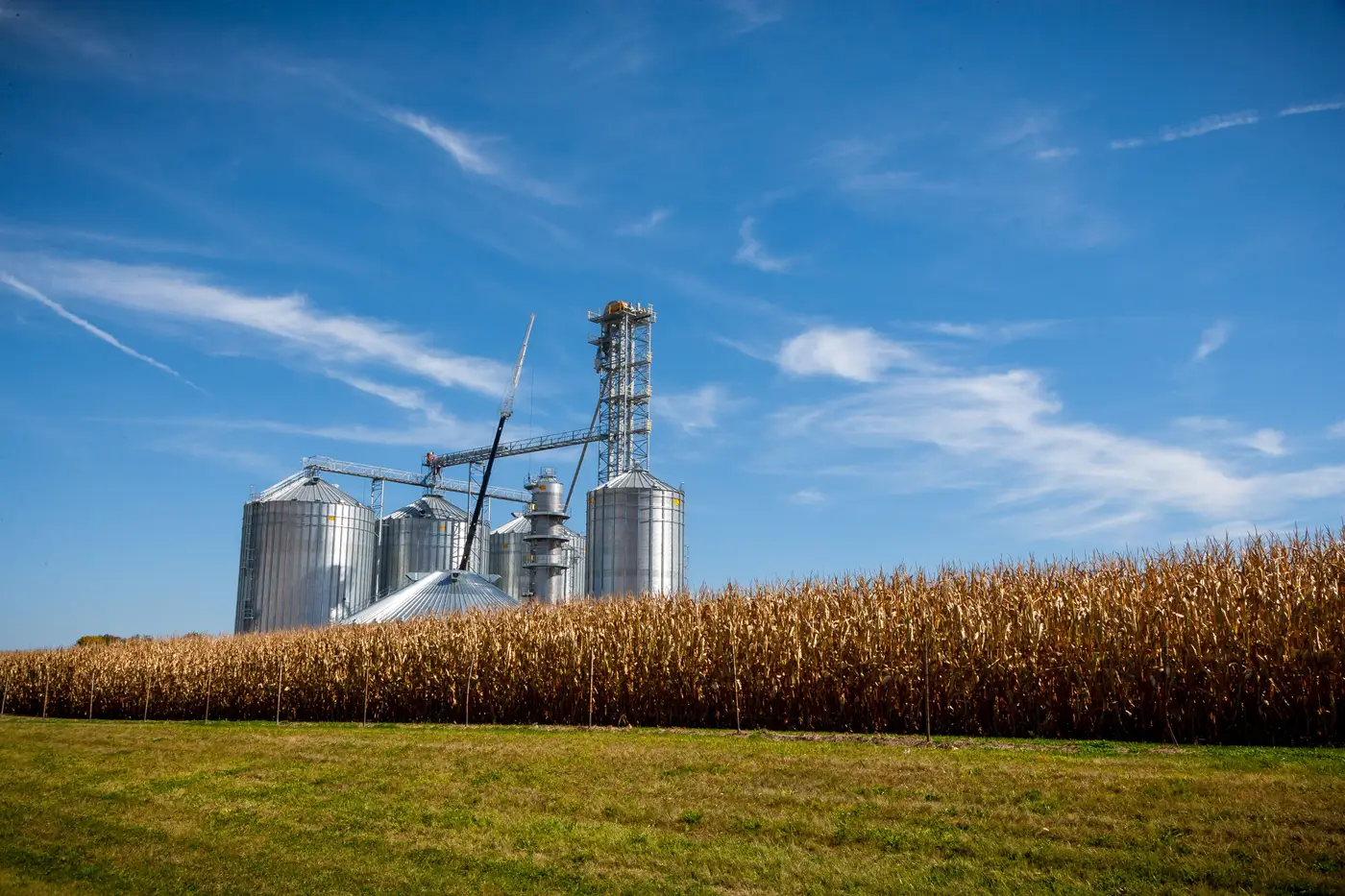
Basis is the gap between the local cash price and the futures price. An elevator bidding 40 under December corn isn't guessing at random. That number is the elevator's own read on supply and demand in its draw area, and it adjusts long before anyone publishes an official production call.
That's the part that trips up people new to a desk. They assume basis should sit still until USDA or a state ag office says something definitive about the crop. It doesn't work that way. Basis moves on expectation, not confirmation. By the time a formal call lands, the cash market has often already priced it in.
Why basis leads instead of lags
Elevators, processors, and end users all have a stake in guessing yield correctly before harvested area shows up at the scale house. A processor locking in origination contracts in July can't wait until October to find out whether the region came in strong or short. So they watch whatever early signal they can get: crop condition ratings, rainfall through the fill period, chatter from field agronomists, anything that hints at where the index curve for the season is tracking against a normal year.
If that signal points to a short crop, local buyers widen basis to pull bushels toward them ahead of competitors. If it points to a big crop, basis weakens because everyone expects plenty of supply once harvested area starts moving. Either way, the adjustment happens on expectation. The actual harvest just confirms or corrects it.
This is also why basis can look disconnected from the futures board. Futures price the broader balance sheet, carryout, exports, the macro supply-demand picture. Basis prices the local story: what's actually growing in that elevator's radius, how far behind or ahead of average the season is running, and how confident buyers are in their own read on the crop.
What moves basis specifically
A few things tend to push basis around before a production call firms up:
Planted area surprises matter less once the crop is in the ground. From that point forward, it's the season-to-date trend in crop condition that does the work. A region that looked fine at emergence but has fallen off through the reproductive stages will see basis widen as buyers start pricing in a smaller harvested yield.
Competing buyer behavior matters too. If a nearby ethanol plant or export terminal gets nervous about their own origination numbers, they'll bid basis up regardless of what the regional estimate eventually says. Basis is as much about who else wants the bushels as it is about how many bushels exist.
And timing matters. Basis that moves in July on a thin, noisy read is a different animal than basis that moves in late August once the trend line on the season has had time to separate from normal. The earlier the move, the more it's a bet on direction rather than a reaction to a number.
The gap this leaves a desk analyst
The problem is that most of the inputs feeding early basis moves are soft. Condition ratings get updated weekly but compress a lot of variation into a handful of categories. Field reports from agronomists cover one farm, not a region. And a single end-of-season satellite look tells you where the crop ended up, not where the trend has been running since planting.
What's missing for most desks is a regional estimate that updates on the same weekly cadence as basis itself, built off the actual index curve for the crop year rather than a condition score or a one-time snapshot. That's the gap a weekly production call is meant to close: a trend chart that moves at the same pace as the cash market reacting to it, region by region, instead of once a season.
If you're trying to get ahead of basis moves instead of explaining them after the fact, see what a weekly regional production call looks like before harvest starts proving you right or wrong.